01 / 05
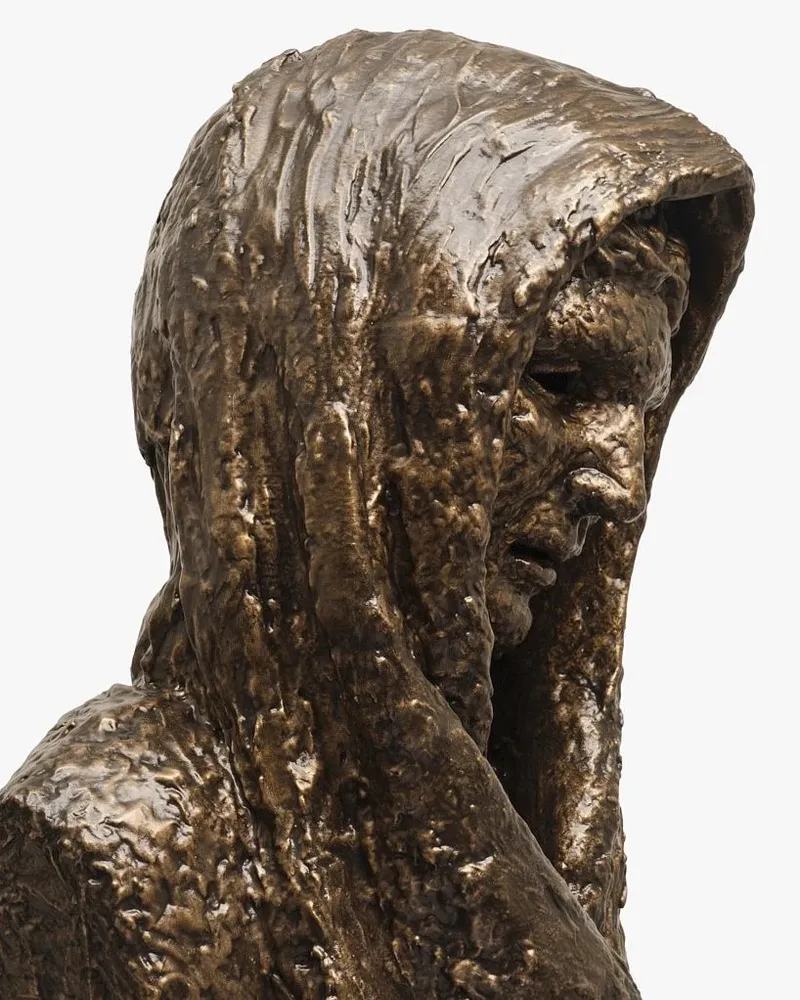
Grandmother: The Root
The family story begins with departure. Maria left Smyrna in 1922 and rebuilt her life in Greece. Her portrait holds the memory of that rupture, and the work of beginning again.
Lineage of the Future
The exhibition begins with a family’s departure from Smyrna in the 1920s and follows its rebuilding in Athens and a later generation in New York. Migration, settlement, work, and continuity are seen through the lives of particular people.
Five sculptures are modeled on members of George Petrides’s family. Historical film and archival footage place the figures within a wider century. The family provides the narrative thread; the exhibition does not ask a single face to stand for an entire historical period.
Families carry memories through stories, habits, photographs, and silences. Each generation receives something of the lives before it and changes it in turn. The exhibition asks what travels from grandparents to grandchildren, and what takes a different form along the way.
The exhibition is conceived for cities across the Gulf region, with interpretation in Arabic. This website also offers English. The story is rooted in one Greek family, while making space for visitors to consider their own experiences of belonging, movement, and change.
Complete and ready to travel
The five sculptures and exhibition materials are complete. The exhibition is planned for cities across the Gulf region in 2027–2030. Venues and dates will be announced when confirmed.
Contact the studioThe family story begins with departure. Maria left Smyrna in 1922 and rebuilt her life in Greece. Her portrait holds the memory of that rupture, and the work of beginning again.
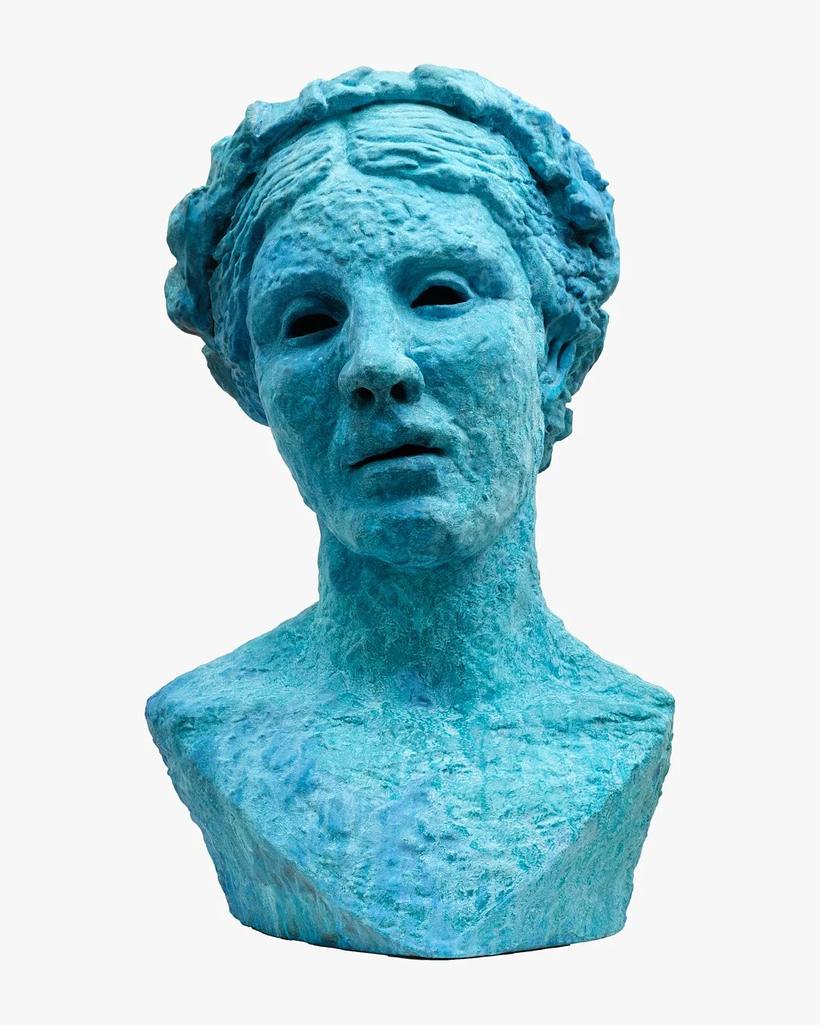
Panayota’s portrait brings the story into the life of the next generation. The Haven is about the care through which a family makes room for continuity after upheaval.
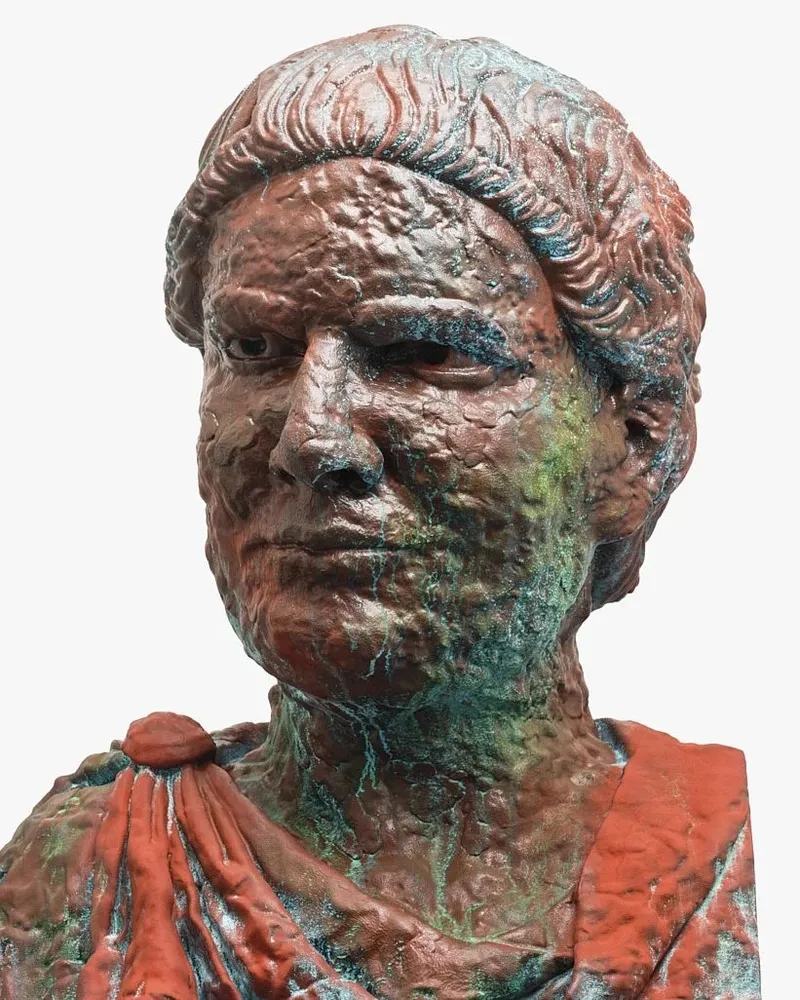
Christos’s life at sea opens the family story to the wider world. The Navigator considers the distance, risk, and responsibility involved in making a living across oceans.
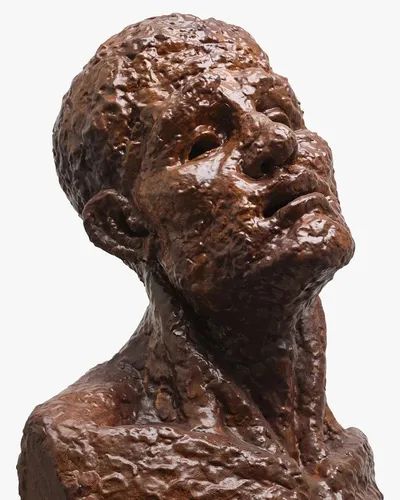
The artist places himself within the family story. The Crucible asks what it means to receive an inheritance of memories and to give it a form of one’s own.
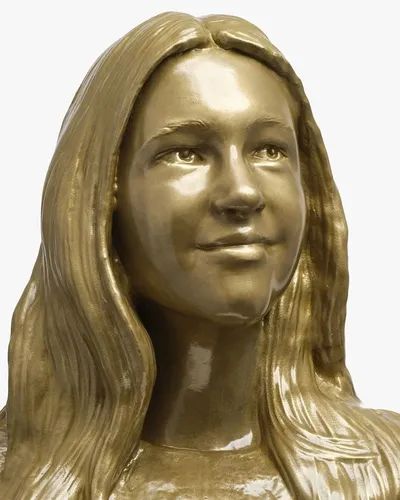
Sofia’s portrait turns towards the future. The Spark leaves the family story open: the next generation inherits a past, but its life has yet to take shape.
A displaced person’s life extends beyond the moment of loss. The grandmother’s portrait brings dignity and rebuilding into the story of migration.
The grandmother and mother bring women’s often unrecorded work into view: care, continuity, and the preservation of family memory.
The father’s voyages connect work and movement with changing circumstances, and with a family’s search for stability between home and the wider world.
The self-portrait explores art as a way to give form to inherited tensions and to reflect on healing. This is an artistic theme, not a claim that a work of art guarantees recovery.
The daughter opens the question of what we pass on: how to become good ancestors and leave room for the next generation to shape its own life.